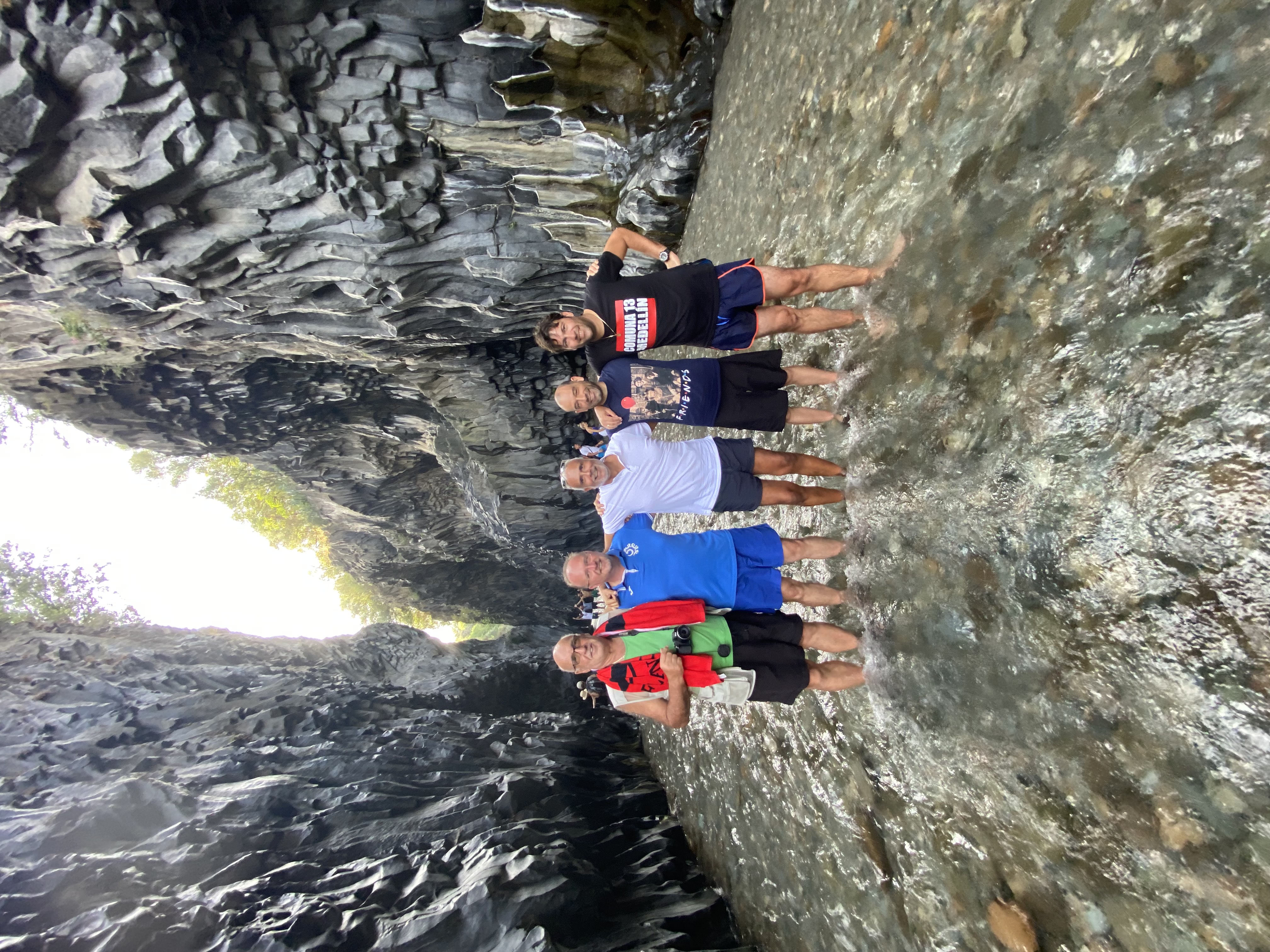
Sicilia. Gole di Alcantara. Dove sarà la mia testa pelata? 🙂
Qui le altre puntate di Wally.
La mia casa è elettrica. È una casa tedesca prefabbricata. Il riscaldamento funziona a VMC, Ventilazione Meccanica Controllata.
È poco più di 200 metri quadri e per mantenerla sempre a 20°, per far funzionare la lavastoviglie, la lavatrice, l’asciugatrice, il frigorifero, il forno a microonde, il forno convenzionale, il piano a induzione, la macchinetta del caffè, una decina di computer e qualcos’altro che sicuramente dimentico, consumo circa 10.000 kWh attraverso un impianto trifase da 10 kW.
E basta.
Non consumo gas. Non consumo gasolio. Non consumo altro. Solo energia elettrica. Non ho i pannelli fotovoltaici. ma solo i pannelli solari termici per scaldare l’acqua.
Siccome la casa ha una pompa di calore per scaldare l’aria, Enel Servizio Elettrico, il cosiddetto servizio di maggior tutela, mi fornisce l’energia elettrica con la particolare e vantaggiosa tariffa D1.
L’anno scorso, verso maggio, mi contatta Enel Energia, nata da una costola di Enel Servizio Elettrico e che si occupa di accaparrarsi i clienti che potrebbero lasciare il servizio di maggior tutela per qualche altro concorrente. Mi spiegano che possono farmi una tariffa migliore. Sono molto scettico. Arriviamo a cinque telefonate in cui, nel frattempo, gli invio via email una mia bolletta per fargliela analizzare. “Signor Beri, con noi, quella bolletta da 240€ l’avrebbe pagata 180€”. “Impossibile, guardi che ho una tariffa speciale D1, la conosce?”. “Ah, ehm… mi faccia verificare e la richiamo”. Mi richiamano: “Sì, signor Beri, glielo garantiamo: con noi pagherebbe meno; sa, la nostra componente energia, blah, blah”. Io insisto: “Senta, a me non interessa quali siano le componenti in più o in meno, mi interessa il totale: lei mi garantisce che il costo a kWh con voi sarà più basso?”. “Ma certamente! E con tutti i kWh che consuma, a fine anno, per ogni anno, guadagnerà così tanti punti che le regaliamo una bicicletta elettrica”.
Io sono ancora dubbioso, però mi informo e verifico che, comunque, posso tornare indietro al servizio di maggior tutela per cui non è una scelta di non ritorno.
Accetto.
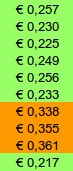
Questi qui sopra sono i costi per kWh delle mie ultime dieci bollette. Quelli verdi sono i costi per kWh che ho sostenuto con Enel Servizio Elettrico. Quelli arancioni sono i costi che ho sostenuto con Enel Energia. La prima bolletta è arancione è stata a settembre 2015. Arrivata quella ho ISTANTANEAMENTE dato disdetta a Enel Energia. La seconda bolletta arancione è quella di ottobre e novembre. La terza arancione è quella di dicembre.
La media “verde” del costo al kWh è di 0,238€. La media “arancione” è di 0,351€.
Il 48% (quarantottopercento!) in più.
A gennaio 2016 sono riuscito finalmente a tornare in Enel Servizio Elettrico.
Nel frattempo mi hanno chiamato varie volte e le persone con cui ho parlato si sono beccate la loro dose di rabbia. Nessun insulto, ci mancherebbe, ma una discreta dose di acrimonia condita da sarcasmo e fastidio. Tanto sarcasmo e tanto fastidio. In quello ci so fare. Ho fatto di tutto per rintracciare la persona che mi ha truffato ma non ci sono riuscito.
Per questa vicenda ho speso circa 6 ore della mia vita in telefonate, email, scan, fax (sì, c’è chi usa ancora il fax) e 390€ per via di quelle tre bollette più care.
Il mio modo di interpretare la cosa è che ho fatto un corso di 6 ore a 65€ l’ora per imparare a non farmi fregare al telefono senza avere qualcosa di scritto che mi garantisca quello che mi viene promesso a voce. Funziona! Infatti ora ho imparato.
Voi avete la possibilità di fare questo corso gratis leggendo questa pagina.
Però magari mandatemi una birra 🙂
Provate a rispondere a queste domande:
Segnatevi la vostra risposta e poi guardate questo video.
Dura un’ora e può essere sottotitolato solo in inglese. Ma vi assicuro che sarà un’ora ben spesa del vostro tempo. Molto ben spesa.
Non ho scoperto di non sapere un sacco di cose, quello lo sapevo già. Ho scoperto di avere un sacco di pregiudizi. E questo mi ha colpito ancora di più che non sapere.
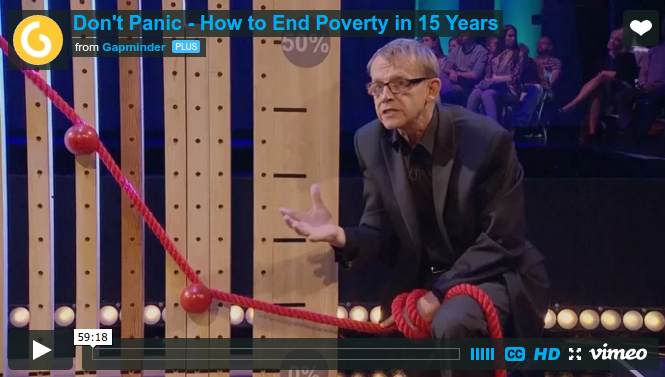
Se vi sarà piaciuto, potrete vedere anche questo, altrettanto bello e dirompente.
Vi siete mai detti “io non so disegnare” oppure “mi piacerebbe saper disegnare”? Beh, io sì.
Molti anni fa, diciamo più di 25, visto che era il 1987, lessi questo libro (chiaramente in un’edizione precedente):
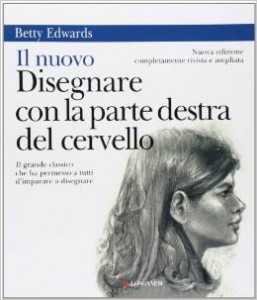
L’autrice, Betty Edwards, sosteneva che disegnare non è un dono ma è un’abilità e, come tutte le abilità, si può imparare conoscendo le giuste tecniche. Addirittura facilmente secondo lei.
Nelle prime pagine del libro c’erano alcuni disegni realizzati dai suoi allievi con le date in cui erano stati fatti. Tipicamente a sinistra c’era il disegno fatto a inizio corso e a destra quello della fine del corso, dopo due o tre mesi. Ecco un paio di esempi.
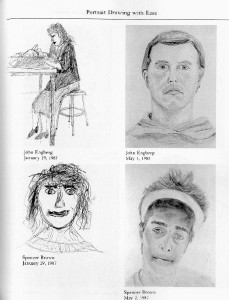
Inutile nascondere che ero molto scettico.
Comunque mi misi a fare gli esercizi, davvero semplici, capendo molto facilmente quello che l’autrice voleva spiegare. In sostanza quando si disegna, ci si deve dimenticare dell’oggetto che si sta guardando, pensando solo a linee, vuoti, punti, colori. Una sedia deve smettere di essere tale e diventare un insieme di linee e vuoti, altrimenti gli disegniamo quattro gambe quando, quasi certamente, se ne vedono solo tre.
Il risultato? Questo fu il ritratto che feci a mia sorella Rita.
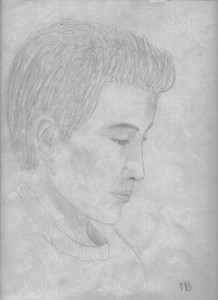
Niente di che, ma se vedeste i miei scarabocchi precedenti, gridereste al miracolo 🙂
Morale: se non sapete disegnare, vi assicuro, c’è rimedio!
10 anni e 9 mesi per ottenere il permesso di costruire una casa su 2.300 mq. di terreno.
52 ore per vedere i costruttori tedeschi della Schwörer Haus arrivare al tetto.